I’m very happy to share a paper I co-authored with colleagues from various disciplines (urbanism, engineering, geography, architecture) but also from NGOs, public administration, as well as inhabitants of informal settlments.
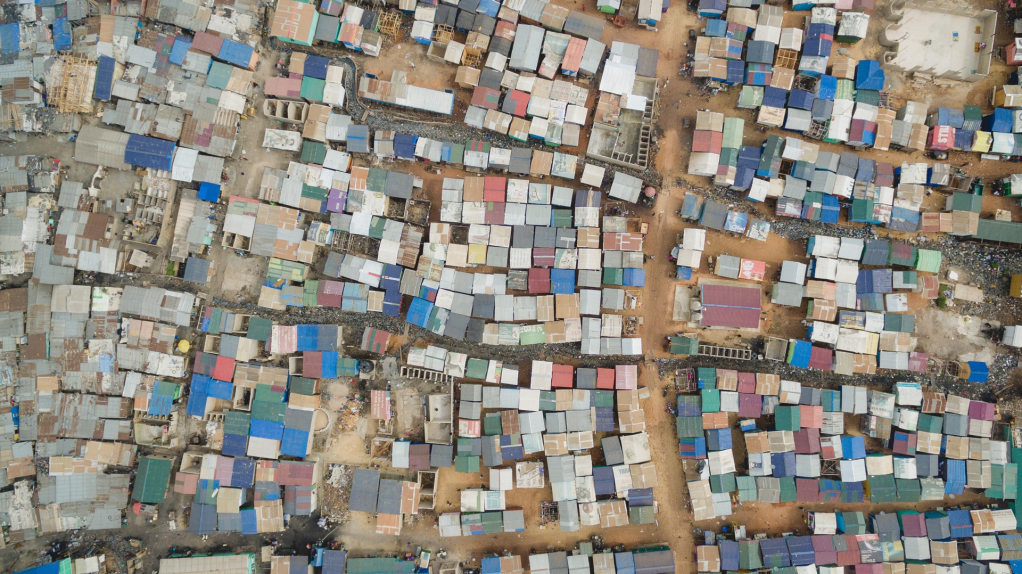
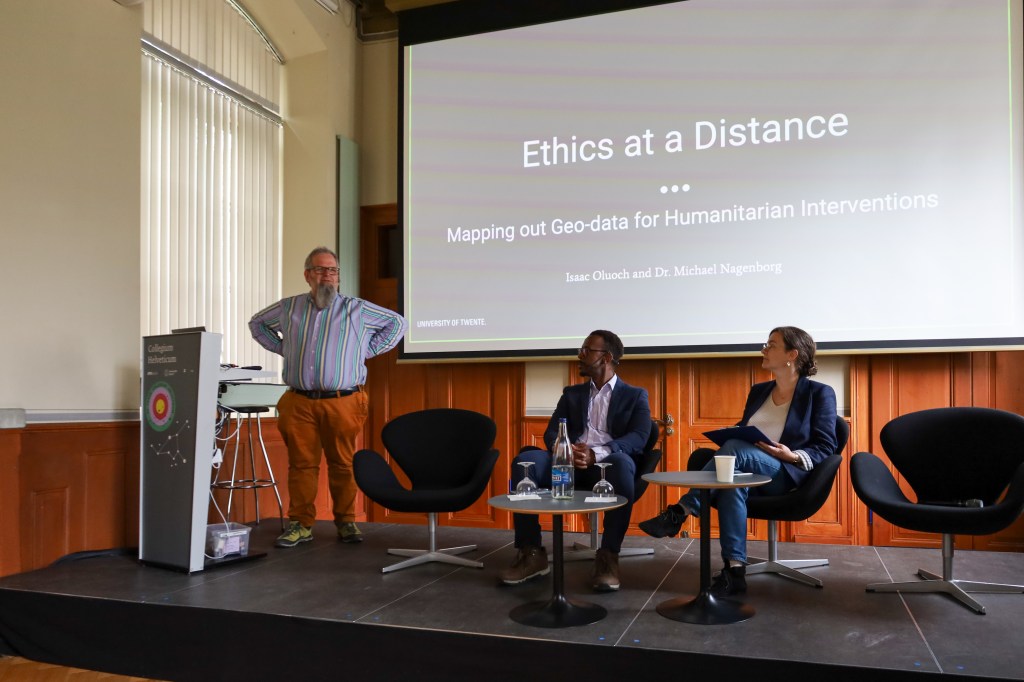
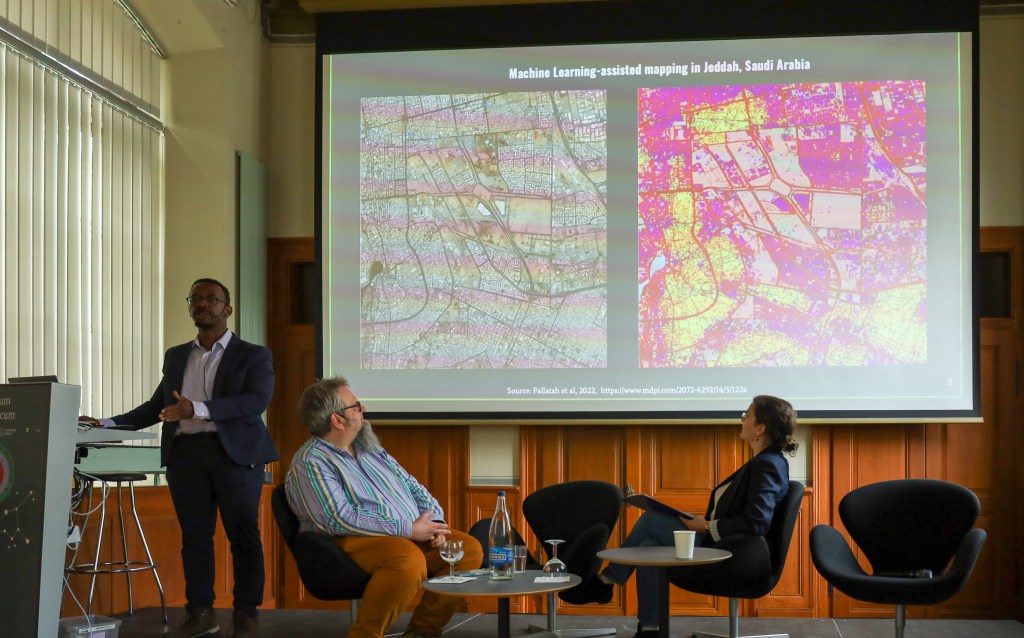
It’s about the bizarre situation that scholars in the Global North can use AI-operated remote sensing to study informal settlements in the Global South. My job, together with another philosopher, was the ethics section (“The ethics of rendering informality visible”), where we hopefully made a strong case for involving the inhabitants in articulating problems, and having them benefit tangibly from the research as opposed to assuming that (perhaps) well-intentioned scholars can contribute to improving their life-conditions remotely.
Here is a link to the paper: https://www.nature.com/articles/s44284-025-00340-9.epdf?sharing_token=l2EQMg6fJNJDJ1YjUyTQdtRgN0jAjWel9jnR3ZoTv0N8lE5tX4adGQcW44YQTpsu-tgJAwYeybrk5upjlVMYK8RzSdoHkQ6E37qECIna9V7VaweoczXxv8jk-RTi5S3psPeW3z4OYc_oemIPrv5VklItw-vIvpDigyppGgijJAc%3D
(And it’s in Nature – I feel like I’m in Big Bang theory.)


 Tea Lobo