Paper in Journal of Human-Technology Relations

Very excited about my new publication in the Journal of Human-Technology relations: Selfie and World: On Instagrammable Places and Technologies for Capturing Them

Here is the abstract:

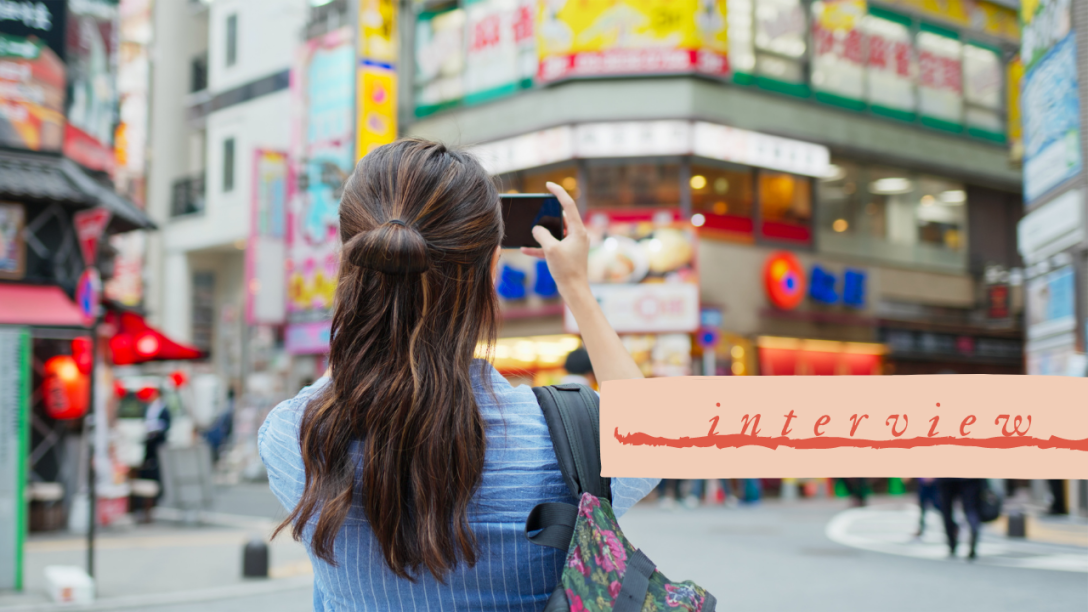
Instagrammable places are designed to be photographed for Instagram. This leads to the homogenization and commodification of the world to suit the app’s affordances. It is worth asking why Instagram users are so motivated to play along when only a miniscule fraction of them can monetize their pursuits. I argue that Instagram and its accompanying form, the selfie, touch upon a basic human need for meaning-making: for narratively organizing one’s experience of the world, and reversely for performing a narrativized identity in a meaningful world. The app establishes what Don Ihde has called a hermeneutic and an alterity relation to the world, by superficially contributing to an understanding of the world based on one’s own co-constitutive agency of framing and selecting features of the world to be photographed and shared, and by performing this agency to an audience.
Publication in the British Journal of Aesthetics

It’s very exciting to share my most recent publication, “Park Aesthetics Between Wilderness Representations and Everyday Affordances”. It appeared in the British Journal of Aesthetics, published by Oxford University Press and one of the top 25% most highly rated journals in philosophy.

Here is the abstract:

Scholars criticize privileging aesthetics over social and ecological considerations in park design. I argue that the real culprit is not aesthetics, but aestheticism. Aestheticism treats aesthetic objects as if they were ontologically distinct from everyday objects. Aestheticism in park design—treating parks like artworks to be admired like paintings—dovetails into treating parks like representations of a romanticized wilderness: of pristine, untouched landscapes. I argue that aestheticism is a means of constructing an ontological distinction between the beholder and the beheld, for landscapes are not truly pristine if they are sullied by human presence. As an alternative, and while drawing on the works of John Dewey and Yuriko Saito, I argue for a continuity between everyday objects and aesthetic objects. I also draw attention to the question of whose every day is privileged and propose to introduce Wittgenstein’s concept of multi-aspectivity in the analysis of everyday affordances.

Wittgenstein and Dostoevsky

We are celebrating the centenary of Ludwig Wittgenstein’s Tractatus logico-philosophicus (published 1921) and the bicentenary of Fyodor M. Dostoevsky’s birth (born 1821).
This video is my tribute to both. I aim to show that there is more that connects these thinkers than accidental numbers. The video is based on Chapter 1 of my book.

Urban Aesthetics and Technology

What makes environments beautiful? What distinguishes the beauty of the city from that of a meadow? How do technologies like self-driving vehicles and 5G shape our aesthetic experience of the city? These are some of the questions I discuss in an interview with the Finnish philosopher Sanna Lehtinen.

Video: Transcultural Urban Aesthetics

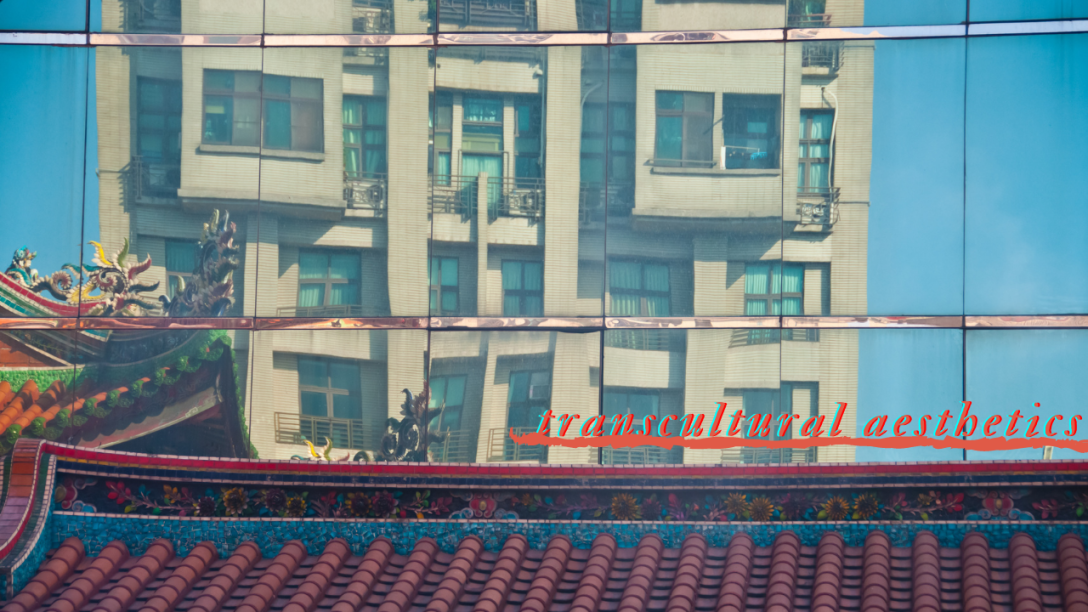
Asian cities are usually seen as chaotic. However that is because those of us who grew up in Europe and North America are accustomed to linear orders of things, be they buildings or written words. In my new video I talk about the logic behind Asian urban aesthetics.

Video: Urban Aesthetics

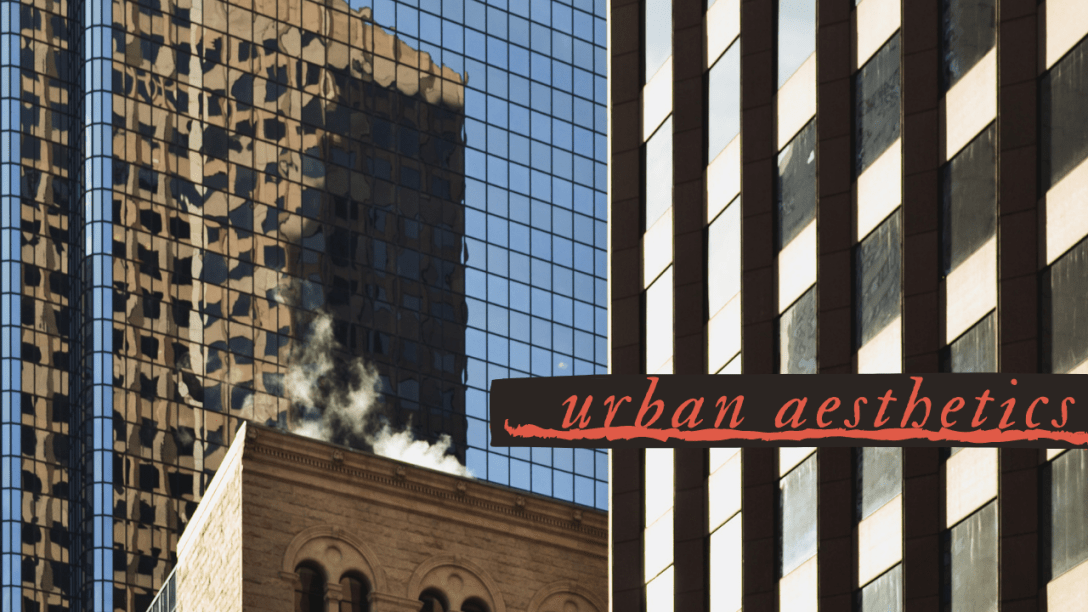
Urban aesthetics is a marginal, though emerging field. This is surprising since it addresses a fairly common intuition that cities can be breathtakingly beautiful, and in a different way than paintings are beautiful. In my new video I talk about recent developments in the field and suggest that cities are not only beautiful because of their looks but also because of the dreams they allow us to dream and the stories they afford for our life.

Publication: Urban Kinaesthetics

The special issue of Contemporary Aesthetics, “Urban Aesthetics” was just published! One of my essays, “Urban Kinaesthetics” is a part of it, which is really cool. It’s a paper that discusses in how far can the city be appreciated as a beautiful object by first asking how the city can be treated as an object of perception in the first place. Spoiler alert: sensorimotorics and the enactive concept of perception play the lead role.